API 650 Welding Inspection: Proven Steps for Maintaining Safety Standards
A Detailed Consider the Installation Refine of Welding Assessment Techniques
Welding evaluation is a crucial process that guarantees architectural integrity and safety and security. The installation of examination techniques includes numerous organized steps, each integral to accomplishing dependable results. From preparation and tool option to conducting aesthetic and non-destructive tests, each phase needs cautious interest. Comprehending these procedures can substantially improve high quality guarantee in welding projects. What obstacles develop in carrying out these techniques, and just how can they be efficiently addressed?
Understanding the Importance of Welding Evaluation
Welding inspection is a vital element of making sure architectural integrity and safety and security in building and production procedures. This method involves reviewing bonded joints for problems, guaranteeing that they satisfy certain standards and regulations. By methodically evaluating weld quality, examiners can determine concerns such as cracks, gaps, and insufficient fusion, which can endanger the strength and durability of structures.
The significance of welding assessment expands past instant safety concerns; it helps protect against costly failures and potential threats in the long-term. Effective evaluation strategies foster conformity with sector criteria, thus enhancing the total dependability of bonded components. On top of that, a durable inspection process adds to keeping the credibility of suppliers and contractors, as it guarantees clients of the quality of their projects. Ultimately, recognizing the relevance of welding evaluation is critical for advertising secure building and construction techniques and ensuring the long life of important framework and products.
Picking the Right Devices for Examination
When choosing the proper devices for evaluation, it is necessary to contemplate the details requirements of the welding process and the products involved. Different evaluation methods, such as aesthetic, ultrasonic, and radiographic testing, demand distinct devices customized to their one-of-a-kind demands. For visual inspections, devices like magnifying calipers and glasses are critical for assessing weld high quality. Ultrasonic testing requires specific tools efficient in sending and obtaining audio waves to identify interior imperfections. Radiographic testing, on the various other hand, uses X-ray or gamma-ray resources alongside sensitive film or digital detectors to reveal disparities.
In addition, personal safety tools (PPE) is important to assure the safety of inspectors during examinations. Selecting the right tools not only enhances the accuracy of examinations yet additionally contributes to the general stability and safety of the welding project. An extensive understanding of offered devices and their applications is critical for effective welding evaluation.
Planning for the Assessment Process
Prior to initiating the inspection procedure, it is important to develop an extensive strategy that lays out the scope and objectives of the evaluation. This strategy ought to consist of details requirements that specify what comprises appropriate quality in the welding work being examined. Determining the relevant codes and requirements is important, as they will direct the assessment standards and approaches.
Furthermore, personnel associated with the evaluation has to be appropriately trained and licensed in welding assessment methods to guarantee integrity and precision. A list can be valuable in arranging the different elements of the examination, varying from equipment readiness to ecological problems that can influence the evaluation.
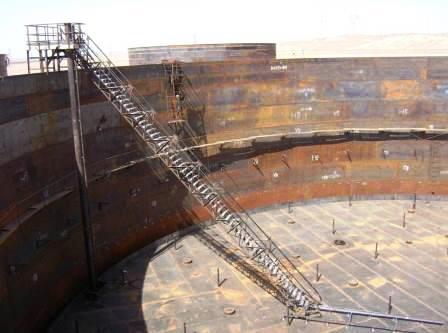
Lastly, logistical considerations such as organizing, available sources, and communication between staff member ought to be addressed. By preparing methodically, assessors can enhance the performance of the analysis and guarantee that all vital elements are appropriately thought about before waging the examination itself.
Conducting Aesthetic Examinations
Conducting visual examinations is an essential step in the welding inspection process, needing cautious preparation to assure reliable assessment. Assessors need to be familiar with essential issue indications that can signal potential concerns in weld high quality. By concentrating on these aspects, one can improve the total integrity of the evaluation outcomes.
Preparing for Visual Assessment
Aesthetic inspection offers as a critical primary step in the welding inspection process, guaranteeing that any prospective problems are determined early (API 650 Welding Inspection). Proper prep work is crucial for effective visual evaluation. Inspectors need to begin by reviewing appropriate paperwork, including welding treatments and specifications, to comprehend the job requirements. They need to gather necessary tools, such as amplifying glasses, flashlights, and suitable individual safety tools (PPE) A comprehensive examination of the assessment location is essential; inspectors need to confirm it is tidy and totally free of obstructions. Additionally, it is very important to develop excellent lights conditions to boost visibility of welds. By taking these preparatory steps, inspectors can develop an environment for determining disparities and assuring the integrity of the welded frameworks
Trick Defect Indicators
A comprehensive understanding of key issue signs is necessary throughout aesthetic assessments to ensure the quality and security of bonded joints. Examiners should concentrate on specific indicators such as fractures, porosity, undercuts, and insufficient combination. Splits might look like sharp lines and can compromise architectural stability. Porosity materializes as tiny holes that can deteriorate weld toughness. Undercuts, which are grooves along the weld edge, can bring about stress and anxiety concentration. Incomplete fusion shows that the weld steel did not properly bond with the base product, resulting in a weak joint. By systematically recognizing these defects, inspectors can identify conformity with industry criteria and improve the overall reliability of welded structures, ultimately adding to more secure functional conditions.
Executing Non-Destructive Examining Strategies

Numerous non-destructive testing (NDT) strategies are this page essential to guaranteeing the integrity of welded structures without jeopardizing their capability. These approaches enable inspectors to assess weld high quality and detect defects without triggering damage to the products being evaluated. Usual NDT methods consist of ultrasonic screening, radiographic screening, magnetic particle testing, and dye penetrant testing. Each method offers a specific objective, attending to various types of flaws such as cracks, porosity, or insufficient fusion.
Applying NDT strategies needs a systematic method, starting with picking the appropriate approach based on the products and the nature of the weld. Educating employees in these techniques is crucial for accurate outcomes. In addition, establishing clear procedures and criteria warranties uniformity throughout the evaluation procedure. By incorporating NDT right into the welding assessment workflow, companies can enhance the reliability of their products while lessening prospective risks related to architectural failures. This positive method ultimately adds to keeping safety and security and high quality criteria in welded constructions.
Assessing and documenting Examination Results
Efficient paperwork and evaluation of examination results are important components of the welding inspection procedure. Precise records of evaluation searchings for work as a recommendation for quality control and compliance with industry requirements. API 650 Welding Inspection. Assessors need to utilize structured forms or electronic systems to log details such as the sort best site of weld, assessment approaches utilized, and any kind of disparities recognized during the examination
Complete analysis is important as soon as information is collected. This entails contrasting results versus established requirements to recognize trends or reoccuring concerns. Analytical devices might be used to measure defects and analyze their effect on total weld quality.
Furthermore, reliable interaction of searchings for to pertinent stakeholders is imperative. Records and recaps must be clear and succinct, highlighting essential insights and referrals for rehabilitative actions. By systematically documenting and examining assessment outcomes, companies can cultivate constant improvement in welding practices and improve item integrity.
Often Asked Questions
What Credentials Are Required to End Up Being a Welding Inspector?
To become a welding examiner, one normally needs appropriate certifications such as AWS CWI, along with experience in welding methods, understanding of welding codes, and proficiency in examination strategies to ensure quality and safety and security requirements.
Exactly How Typically Should Welding Inspections Be Conducted?
Welding assessments need to be conducted frequently, usually after each weld is finished, and regularly throughout tasks. Elements such as job intricacy, industry criteria, and regulative demands can affect the frequency of these assessments.
What Is the Expense of Welding Assessment Solutions?
The expense of welding assessment solutions differs substantially based upon aspects such as project complexity, place, and dimension. Usually, prices vary from $100 to $150 per hour, with additional charges for specialized screening and qualifications.
Are There Certifications for Welding Inspectors?
Yes, there are different certifications for welding assessors, including those offered by the American Welding Society (AWS) and the International Institute of Welding (IIW) These qualifications guarantee assessors possess the necessary skills and expertise for reliable examinations.

Just how Do I Pick an Assessment Company?
To pick an assessment service provider, one should review qualifications, experience, industry online reputation, and consumer testimonials. Additionally, comparing service offerings and prices can aid assure the picked company meets particular job requires properly.
Additionally, workers involved in the examination needs to be adequately trained and certified in welding examination methods to ensure reliability and precision. Performing aesthetic assessments is an essential action in the welding evaluation process, calling try this for careful prep work to assure efficient evaluation. Visual examination offers as an important first action in the welding assessment procedure, guaranteeing that any type of prospective flaws are recognized early. Reliable documents and evaluation of inspection results are crucial parts of the welding inspection process. Welding evaluations need to be carried out consistently, typically after each weld is completed, and regularly during projects.